A Short Guide
Designing with antiques.
How old objects make a room, and the distinctions that separate the real thing from its imitations.
Using antiques well is less a matter of money than of judgment, and a few plain distinctions carry more of that judgment than any style label does.
i.The distinctions that matter
Period piece vs. reproduction
A period piece was made in the era whose style it wears. A reproduction wears the style without having lived through it. Both can be good to look at; only one has a past to carry, holds its value, and gives a room the weight that comes of an object having actually been used. The old-world room is built from the first and uses the second, when it uses it at all, knowingly.

Patina vs. damage
Patina is the record of use: the sheen worked into a chair arm by fifty years of hands, the darkening of waxed walnut, gilding gone thin at the edge of a frame. Damage is the record of neglect. The skill is telling the two apart, and then resisting the urge to restore the patina away along with the harm. When unsure, do less. A surface, once stripped, does not come back.
Provenance vs. age
Age is how old a thing is. Provenance is what is actually known about its life: where it was made, who owned it, how it came down to now. Age by itself makes an object old; provenance is what makes it trustworthy. Neither is worth overstating. A documented gap is more honest, and in the end more valuable, than a confident guess.
ii.The brown-furniture opportunity
For a generation, antique case furniture in walnut, mahogany and oak (the trade calls it brown furniture) has been out of fashion, and so cheap. For anyone willing to ignore the fashion, that is the opportunity: period pieces at a fraction of what the new equivalent costs, carrying the weight and surface that new wood cannot supply at any price. The taste will come back, as it always does. The discount will not last with it.
iii.Choosing an anchor antique
Most rooms want one piece to organise themselves around (a commode, a long table, a large mirror), chosen first, before the scheme, and allowed to set the terms for everything after it. The anchor should be the best single object within reach, with real presence and an honest surface. One such piece will lift a plain room; a dozen lesser ones only crowd it. The rule, when unsure, is fewer, better, older.
iv.What to ask before you buy
Five questions settle most of a purchase. What is it, and when and where was it made? What is the evidence for that, and what is honestly unknown? Is the surface original, or has it been restored, and how heavily? What has been replaced or repaired? And, plainly, is the price right for an object of this condition and this provenance? A good dealer welcomes all five. Hesitation on any of them is itself an answer.
v.Using antiques without making a museum
The opposite failure is the period room that feels embalmed: correct, complete, and dead. The cure is the same restraint that built the room: let the antiques sit next to plainer, newer, comfortable things, leave some space empty, allow a little friction between periods. Antiques are furniture, not exhibits. A room is finished when someone can live in it, not when it could be photographed for a catalogue.
vi.When to bring in help
Two moments justify the expense. The first is when an anchor piece matters enough that a wrong purchase would be costly to undo; there, a good designer or advisor earns the fee on the first object. The second is when the things you want are not the things in front of you, and someone with the contacts and the eye can find them. The edit lists designers who work this way.
vii.The objects of Vecchio Lusso
Not a shopping list. A way of seeing.
Italian walnut commodes. The anchor by default: heavy wood, real presence, a centre of gravity for the room.
Giltwood mirrors. Age and light in one object; worn gilding throws a softer reflection than anything new.
Old-master-style frames. Carved and gilded frames that give a wall depth before anything hangs in them.
Tuscan refectory tables. Long, scrubbed, made to seat a crowd; the plain backbone of a room with nothing to prove.
Swedish Gustavian chairs. Pale, calm neoclassical lines that lighten a heavier scheme.
French fauteuils. Open-arm armchairs whose proportion and comfort do not date.
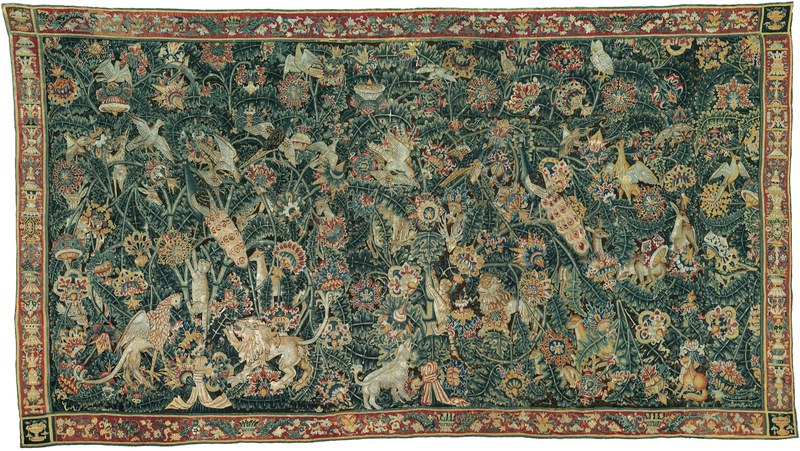
Antique textiles. Old silks, suzanis, needlework; colour and pattern no new dye gets right.
Iron lanterns. Hand-forged; light as shadow and craft rather than fixture.
Terra-cotta vessels. Unglazed earth: warmth, scale, the mark of the maker's hand.
Stone fragments. A capital, a baluster, a carved relief; architecture brought indoors as sculpture.
Ebonized cabinets. Dark, formal punctuation against pale walls and worn wood.
Library tables. Broad surfaces that invite use and collect the objects of a life.
Worn leather chairs. The most honest patina there is; comfort that gets better with age.
A few questions, answered
What is the difference between a period piece and a reproduction?
A period piece was made in the era whose style it wears; a reproduction wears the style without having lived through it. Both can be handsome, but only the period piece carries a past, holds its value, and gives a room the weight of an object that was actually used. A reproduction can itself be old (a later cast or copy of an earlier model), so age alone does not settle the question. The old-world room is built from period pieces and uses reproductions, if at all, knowingly.
What is the difference between patina and damage?
Patina is the record of use: the sheen worked into a chair arm by years of hands, the darkening of waxed walnut, gilding gone thin at the edge of a frame. Damage is the record of neglect. The skill is telling the two apart, and then resisting the urge to strip the patina away along with the harm. When unsure, do less: a surface, once stripped, does not come back.
What is the difference between provenance and age?
Age is simply how old a thing is. Provenance is what is actually known about its life: where it was made, who owned it, and how it came down to the present. Age makes an object old; provenance is what makes it trustworthy and, in the end, more valuable. A documented gap is more honest than a confident guess.
What is brown furniture, and is it a good investment?
Brown furniture is the trade's term for antique case furniture in walnut, mahogany and oak: chests, commodes, cabinets and tables. It has been out of fashion for a generation and is therefore cheap, often costing a fraction of the new equivalent while carrying weight and surface that new wood cannot supply at any price. For a patient buyer that is the opportunity: the taste tends to return, and the discount is unlikely to last with it.
What is an anchor antique, and how do you choose one?
An anchor antique is the one piece a room organises itself around (a commode, a long table, a large mirror), chosen first, before the scheme, and allowed to set the terms for everything after it. It should be the best single object within reach, with real presence and an honest surface. One strong anchor will lift an otherwise plain room, where a dozen lesser pieces only crowd it. The rule, when unsure, is fewer, better, older.
What should you ask before buying an antique?
Five questions settle most of a purchase. What is the object, and when and where was it made? What is the evidence for that, and what is honestly unknown? Is the surface original or restored, and how heavily? What has been replaced or repaired? And is the price right for this condition and this provenance? A good dealer welcomes all five; hesitation on any of them is itself an answer.
How do you decorate with antiques without making a room feel like a museum?
Let the antiques sit beside plainer, newer, comfortable things, leave some space empty, and allow a little friction between periods. The room that feels embalmed is the one where everything is correct, complete and of a single date. Antiques are furniture, not exhibits: a room is finished when someone can live in it, not when it could be photographed for a catalogue.
These are the objects the rest of the reference keeps returning to. The glossary defines the terms; the Reading Room points to where to read more.
The buying room
Behind the guide sits the sourcing itself. What follows is a private record of it: dealers' floors as they stood, pieces under consideration before any judgment was made. It is kept for the working file rather than for publication, and it is shown by key alone.
No previews appear on this page.