A Practical Guide
The Old-World Room
How to build a room that feels collected over time: antiques, mixed periods, low shine, natural materials and restraint.
There is no shortcut, but there is a method. An old-world room is not bought; it is built, patiently, around a few real things, with most of the work going into what is left out.
What antique-led design is, and is not
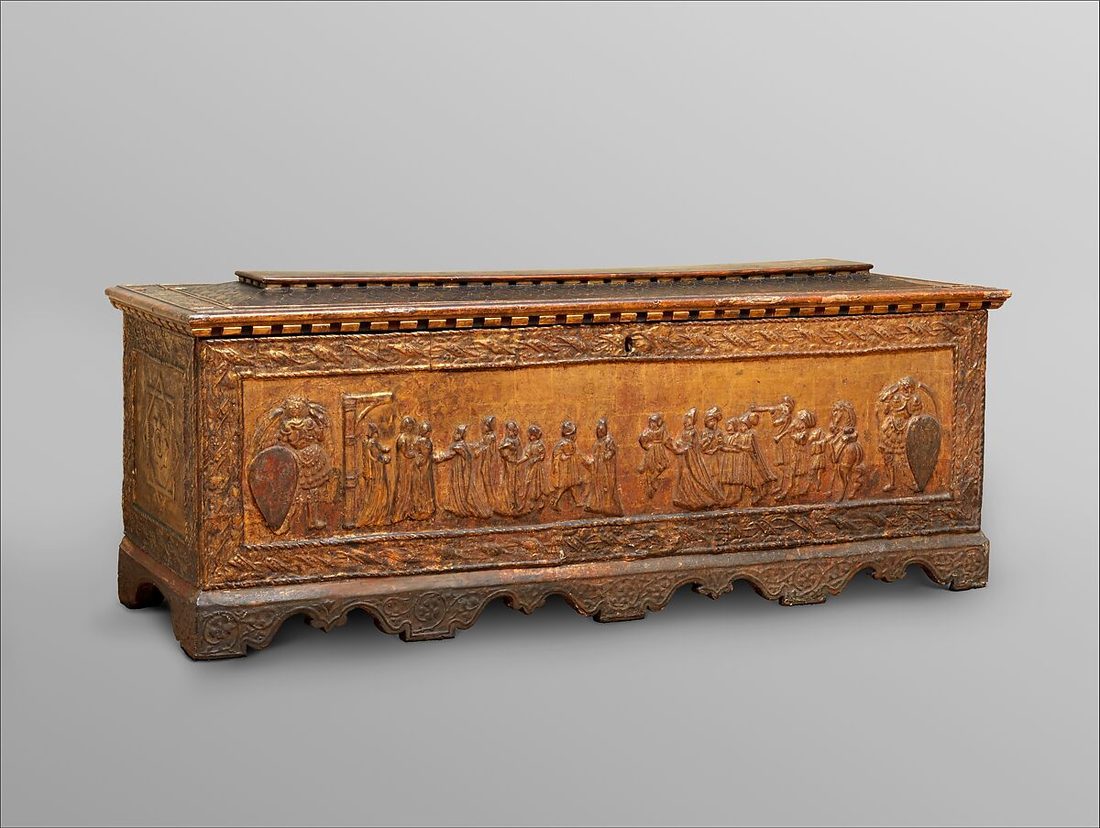
Antique-led interior design is an approach in which period furniture, inherited pieces, decorative arts, patina and provenance are central to the room, rather than accents added at the end. The room reads as collected over time rather than installed at once.
Many people describe this look as "old money" interior design. A more accurate description is antique-led, historically literate and collected over time: the difference is not about status but about real objects with age, use and provenance.
What it is
Period furniture · inherited pieces · antique textiles · decorative arts · original surfaces · mixed periods · rooms with historical depth · a collector's eye.
Adjacent, but different
New traditional · grand-hotel classicism · resort classicism · contemporary collectible design · maximalist decoration · lifestyle "quiet luxury" · reproduction-heavy interiors.
What makes a room feel accumulated
The difference is easy to feel. Some rooms announce that everything was chosen at once: matched finishes, polished surfaces, familiar pieces, scale used for effect. Better rooms move at a slower rhythm: the periods mix, the surfaces are lower in shine, and the strongest object is often neither the newest nor the most expensive. The room reads as accumulated rather than installed.
This is not about spending less. It is about spending with restraint: fewer objects, better chosen, with enough age and use and irregularity to give the room depth.
The inherited room: how it is built
An inherited-feeling room is the sum of a small number of decisions, repeated with discipline. These are the load-bearing ones.
One anchor antique
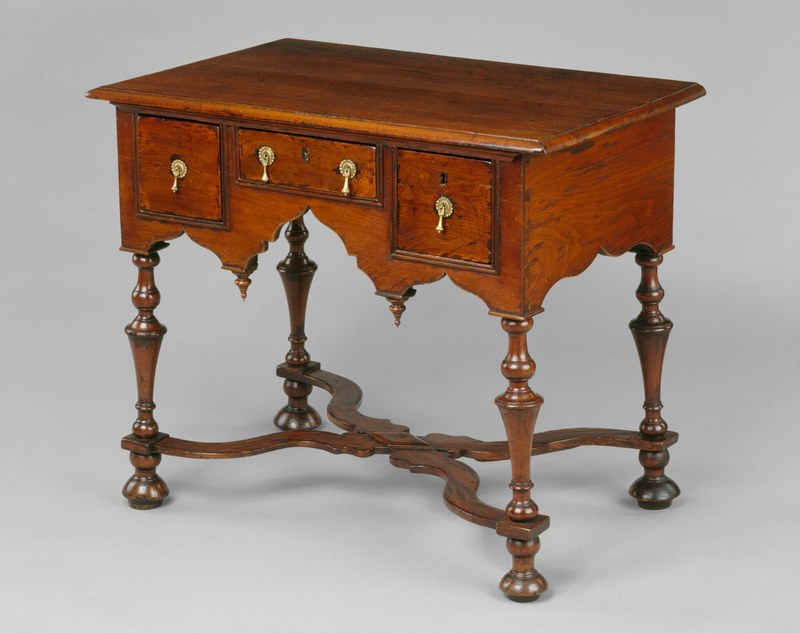
A single serious period piece (a commode, a table, a mirror) that the room is built around and can lean on.
Mixed periods
Nothing arrives as a set. A room that spans centuries reads as collected; a matched suite reads as bought.
Natural materials
Wood, stone, linen, wool, leather, plaster: surfaces that age rather than wear out.
Low shine
Waxed, not lacquered. High gloss is the fastest way to make an old object look new and a new object look cheap.
Real art, real frames
Even modest pictures in good old frames give a wall depth that scale and colour alone cannot.
Books and lived objects
The evidence of a life, books used and objects gathered, is what separates a home from a showroom.
Worn surfaces, kept
Patina is value. The instinct to restore it away is the single most expensive mistake an owner can make.
No obvious branding
The room should not be readable as a list of labels.
Restraint
Empty space is not unfinished. Knowing when to stop is most of the skill.
Nothing too perfect
A room that looks completed in a day will always look that way. A little imperfection reads as time.
How expensive rooms accidentally look newly decorated
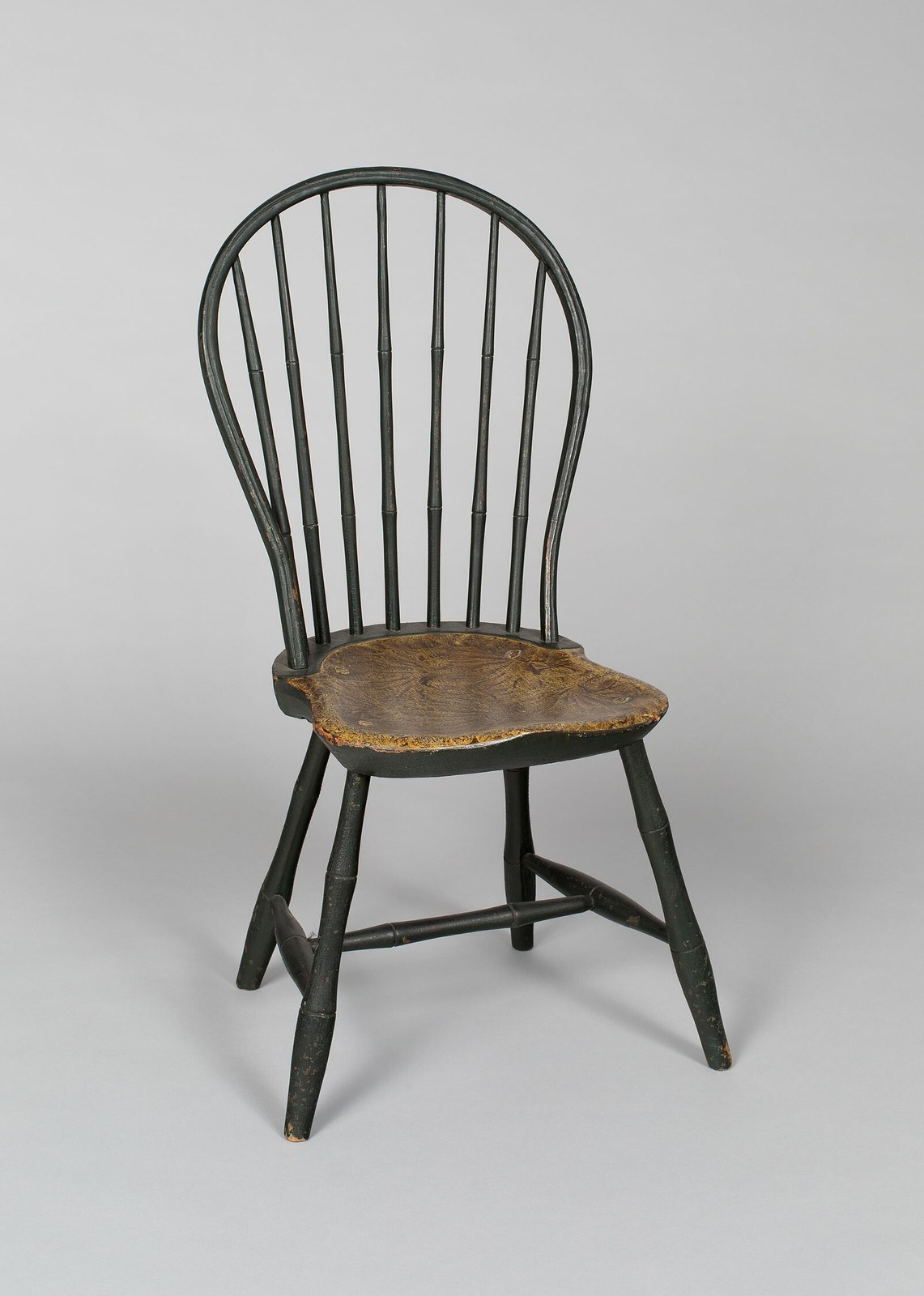
These are the recurring missteps. They are rarely failures of budget; they are usually failures of sequence, surface and restraint. Almost everyone makes a few of them first.
Buying everything at once
A room furnished in one campaign usually reads that way.
Overmatching
Matched suites, matched woods, matched metals. Coherence is good; uniformity reads as a catalogue.
Too much shine
High-gloss everything (lacquer, polished marble, mirror, chrome) turns light hard and surfaces new.
Recognisable labels
Logos and signature pieces do the opposite of what they promise.
Public scale in private rooms
Lobby proportions in a house read as performance rather than home.
Reproductions used without judgment
A good reproduction, knowingly placed, is fine. A room of them, mistaken for antiques, is not.
Art chosen for size and colour
Pictures bought to fill a wall or match a sofa never carry the weight that a real one does.
No books, no objects, no life
Without the accumulated small things, the most expensive room stays a showroom.
Over-restored antiques
Stripping and refinishing a period piece removes the very thing it was bought for.
Confusing cost with taste
The most common error of all. Money buys access to good things; it does not buy the judgment to use them.
Common questions
What is antique-led interior design?
An approach to interiors in which period furniture, inherited pieces, decorative arts, patina and provenance are central to the room, rather than decorative accents added at the end. The result reads as collected over time rather than installed at once.
Is this the same as "old money" decorating?
Many people search for it that way. A more accurate description is antique-led, historically literate and collected over time. The distinction is not about status but about real objects with age, use and provenance.
Who are the leading antique-led designers?
The central references vary by market. In London the tradition includes Sibyl Colefax & John Fowler, Robert Kime, Max Rollitt, Mlinaric, Henry & Zervudachi, VSP Interiors, Guy Goodfellow, Adam Bray, and Paolo Moschino & Philip Vergeylen. In Paris, Jacques Grange, François-Joseph Graf and Jacques Garcia. In Milan, Studio Peregalli carries the category by itself. The full edit is organised by city in The Edit.
Where to go from here
To understand the objects themselves (period versus reproduction, patina versus damage, which antique to buy first), read Designing with Antiques. For a designer who already works this way, the edit is organised by city. And to read more deeply, the Reading Room collects the books behind it.