The Vocabulary
A Glossary
The language of old-world luxury and the decorative arts, defined plainly: the words behind the rooms.
A
Aubusson
A French town known for flat-woven tapestries and carpets, traditionally in soft, faded colours; an Aubusson rug brings pattern and age to a floor without weight or shine.
B
Baroque
The grand, dramatic style of the seventeenth and early eighteenth centuries: bold carving, deep movement, theatrical scale. Used sparingly: a single Baroque piece gives a room weight, a roomful overwhelms it.
Bergère
A French upholstered armchair with enclosed, padded sides and a loose seat cushion, built for comfort, and one of the most useful antique seat forms in a modern room.
Biedermeier
An early-nineteenth-century Central European style of clean lines and pale, figured woods such as birch and fruitwood, often with ebonised detail: quietly modern long before modernism.
Brown furniture
Trade shorthand for antique case furniture in walnut, mahogany and oak. Long out of fashion, and so cheap: the standing opportunity for anyone building an old-world room now.
C
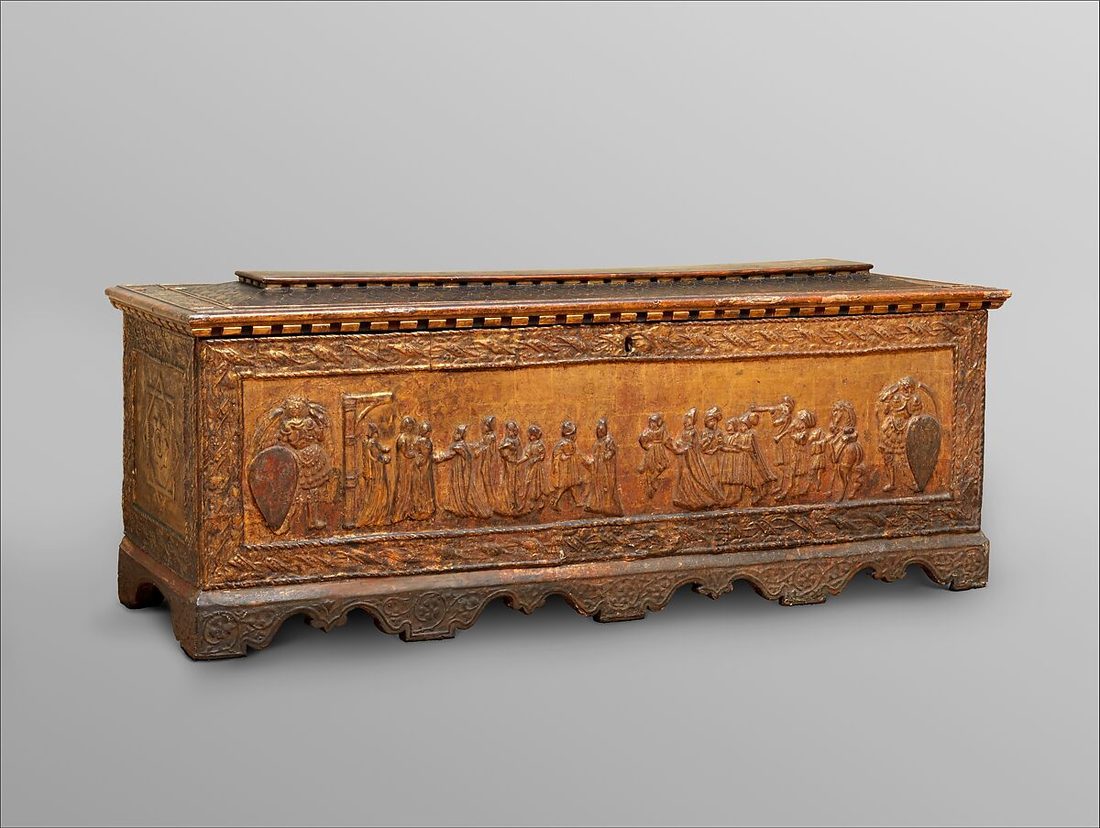
Cassone
An Italian Renaissance chest, often carved or painted, made to hold a bride's dowry. The form carries centuries of domestic use in a single object.
Commode
A low chest of drawers, French in origin, frequently the most decorated case piece in a room, and the classic anchor antique.
Condition report
An honest account of an object's state: original parts, repairs, replacements, losses and restoration. It is what turns a purchase from a hope into a decision.
Console table
A table designed to stand against a wall, often beneath a mirror; architectural rather than freestanding, and a natural place for a single fine object.
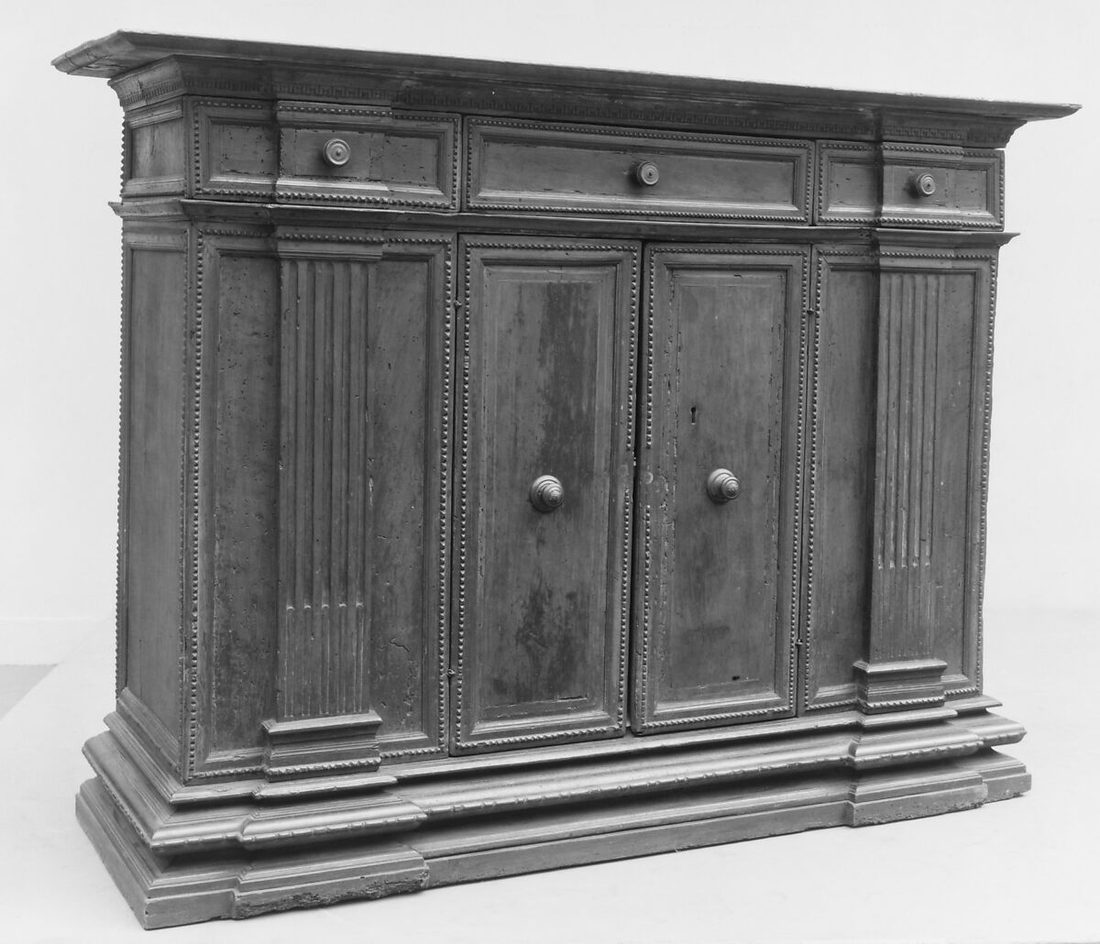
Credenza
An Italian sideboard or low cupboard, descended from the Renaissance serving piece. In walnut, with panelled doors and architectural mouldings, it is one of the most useful Italian case forms in a room.
D
Decorative arts
The made objects of daily life raised to the level of art: furniture, ceramics, metalwork, textiles, glass. The materials an old-world room is built from.
E
Ebonized
Wood stained and polished to imitate ebony: a dense black used since the seventeenth century as formal punctuation against pale walls and warmer woods.
Empire
The early-nineteenth-century French style of the Napoleonic era: severe, classical, gilt-bronze mounts on dark mahogany, made to convey authority.
F
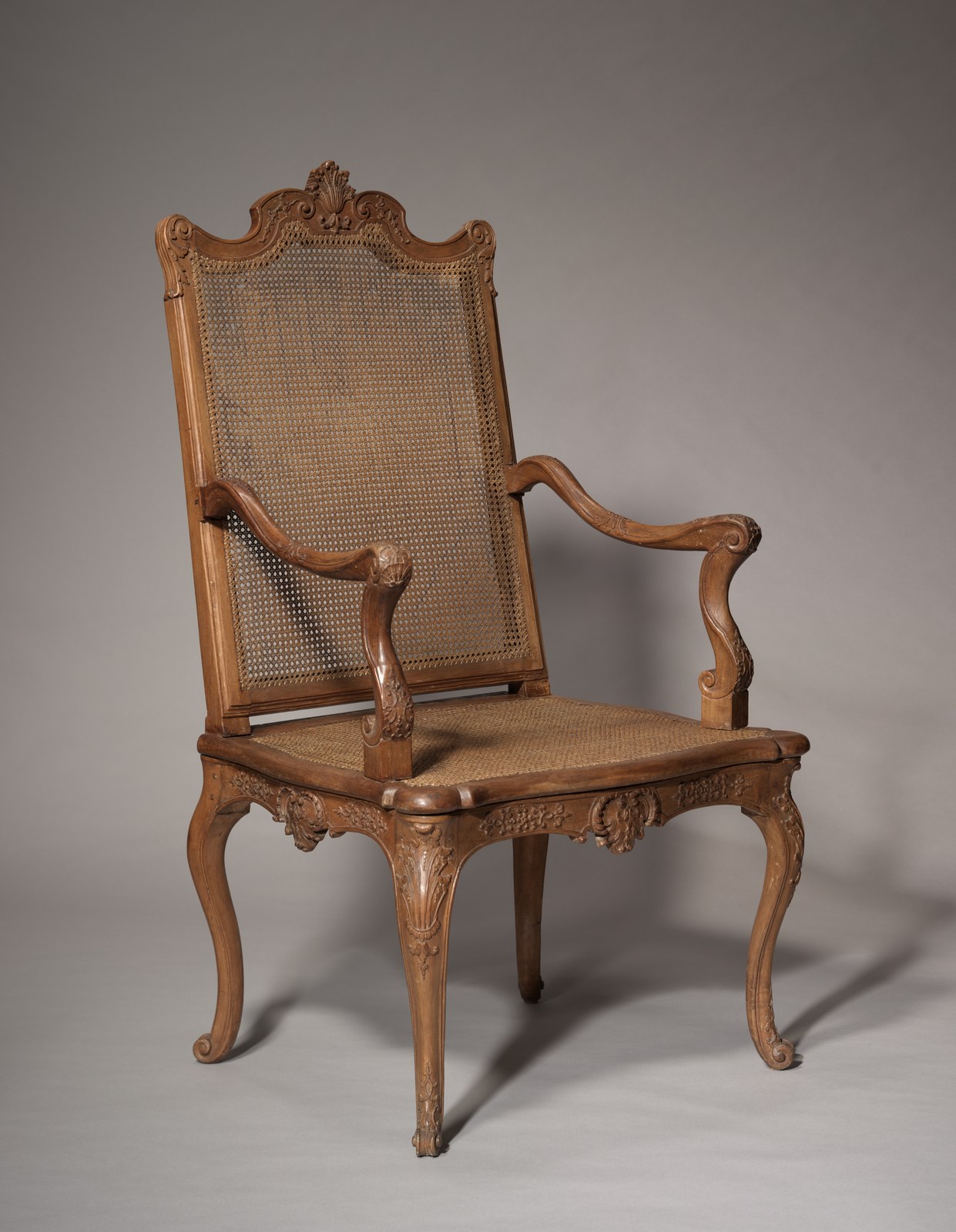
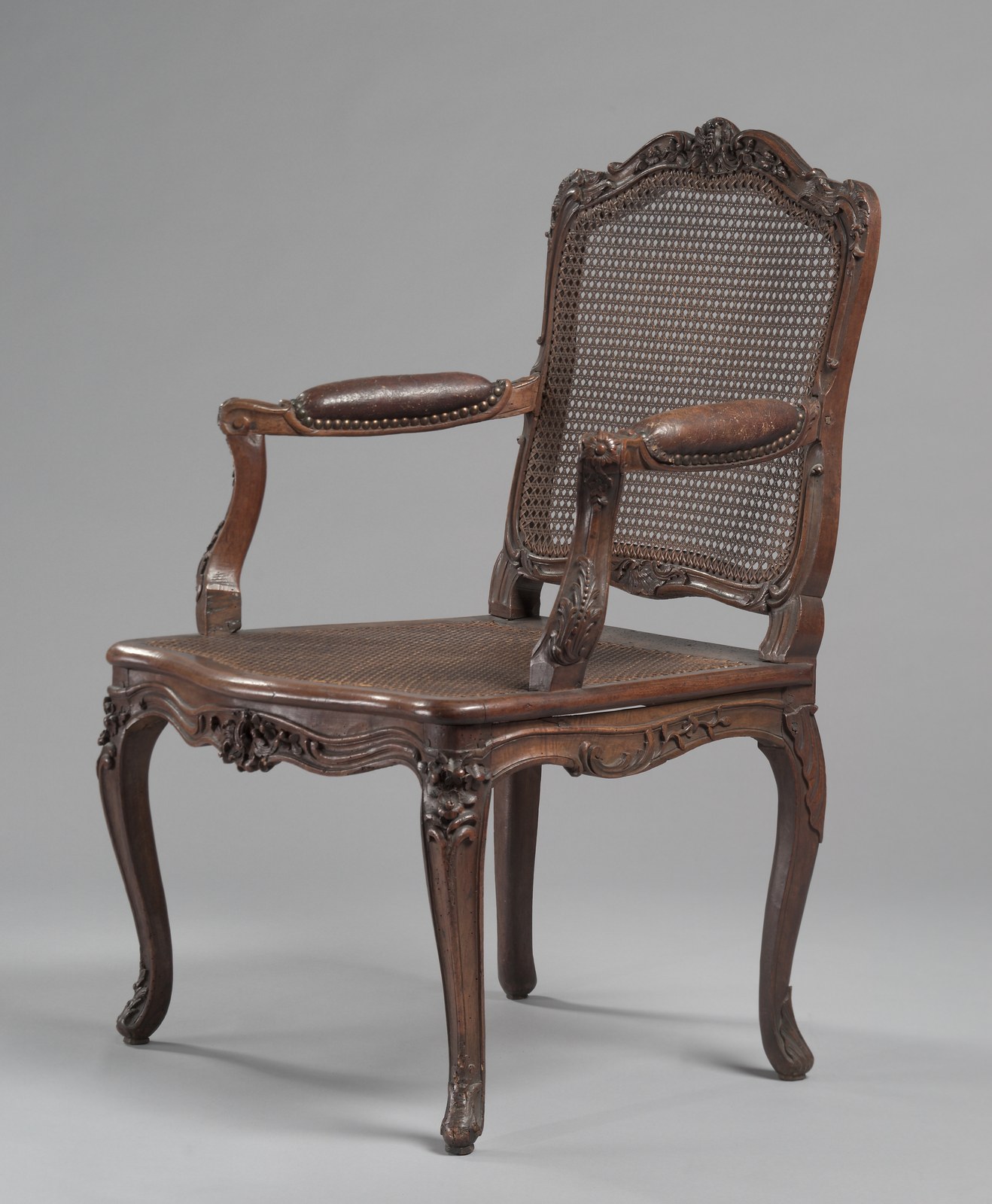
Fauteuil
A French open-arm armchair, upholstered seat and back with an exposed wood frame; lighter and more sociable than the enclosed bergère.
Fragment
A surviving part of a larger whole: a carved capital, a baluster, a section of relief. Architecture brought indoors and used as sculpture.
Fruitwood
Timber from fruit trees such as cherry and pear: pale, fine-grained and warm, favoured in provincial and Biedermeier furniture.
G
Giltwood
Carved wood finished in gold leaf. Antique giltwood (mirrors, frames, console tables) reflects light more softly than anything new, because age has worn the gold.
Grand Tour
The long educational journey through Italy and the Continent once made by the European elite, who came home with antiquities, paintings and bronze reductions cast after famous models: the origin of much old-world collecting, and a reminder that an old object can still be a copy.
Gustavian
The pale, restrained Swedish neoclassical style of the late eighteenth century: chalky paint, tapered legs, calm proportion. The lightest way to introduce antiques into a modern room.
J
Japanning
A European imitation of East Asian lacquer: layered, polished coatings, often black or red with raised gilt decoration; a historic taste for the exotic, made by hand.
K
Kilim
A flat-woven, pile-less rug or textile from across Anatolia, Persia and the Caucasus; geometric, hard-wearing and full of the irregularity of the hand.
L
Louis XIII
An early-seventeenth-century French style of dark, turned and carved woods and heavy, architectural forms: the robust ancestor of the lighter styles that followed.
Louis XIV
The grand, formal style of the Sun King's court: symmetry, gilding and scale, made to impress. Old-world rooms borrow from it in single notes, not whole rooms.
Louis XV
The Rococo phase of French taste: curved, asymmetrical, intimate. The bergère and the bombé commode belong to it; comfort and grace over grandeur.
M
Marquetry
Decoration formed from shaped pieces of veneer (different woods, and sometimes bone, brass or shell) inlaid into a surface to make a pattern or a picture.
N
Neoclassical
The late-eighteenth-century return to the order and restraint of antiquity (straight lines, columns, urns, symmetry) after the curves of the Rococo.
O
Original surface
The finish an object has carried through its life (wax, paint, gilding, the marks of use) never stripped and renewed. The single quality that most distinguishes a serious antique, and the one most easily destroyed.
Over-restoration
Restoration taken so far that it removes the very age it meant to preserve: stripped surfaces, recut carving, refinished gilding. The most common and most expensive error in handling antiques.
P
Patina
The surface a material acquires through age and careful use: the soft sheen of waxed walnut, the mellowing of bronze, the gentle wear of gilding. It cannot be faked convincingly, which is why it is worth so much.
Period piece
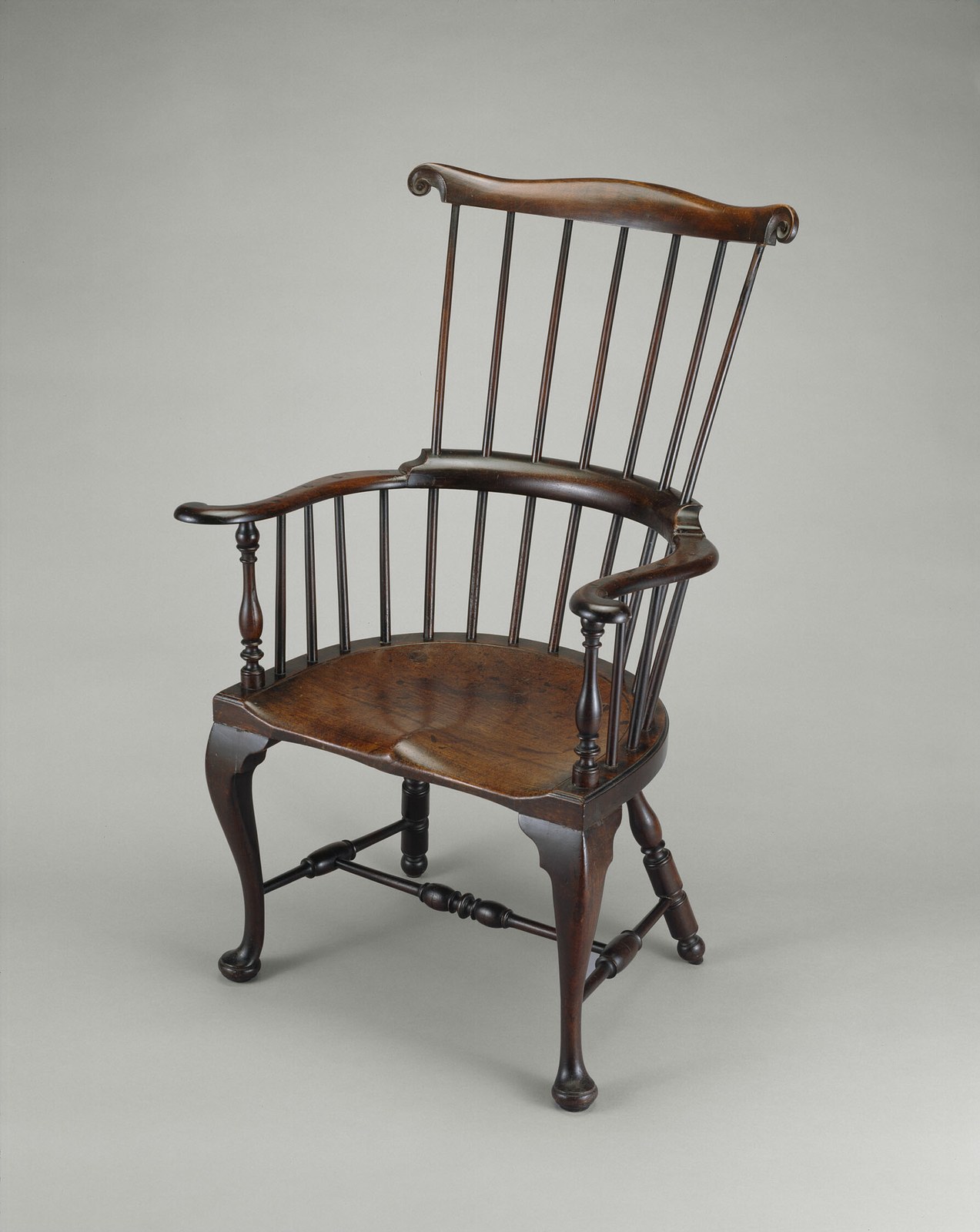
An object made in the era whose style it wears, as opposed to a later reproduction of it. Carries provenance, holds value, and gives a room genuine depth.
Provenance
What is known of an object's history: its making, ownership and passage through time. It is what separates an old thing from a trustworthy one, and should never be overstated.
Provenance chain
The documented sequence of owners and locations linking an object to its origin. The fuller and better-evidenced the chain, the more an object can be relied upon.
R
Refectory table
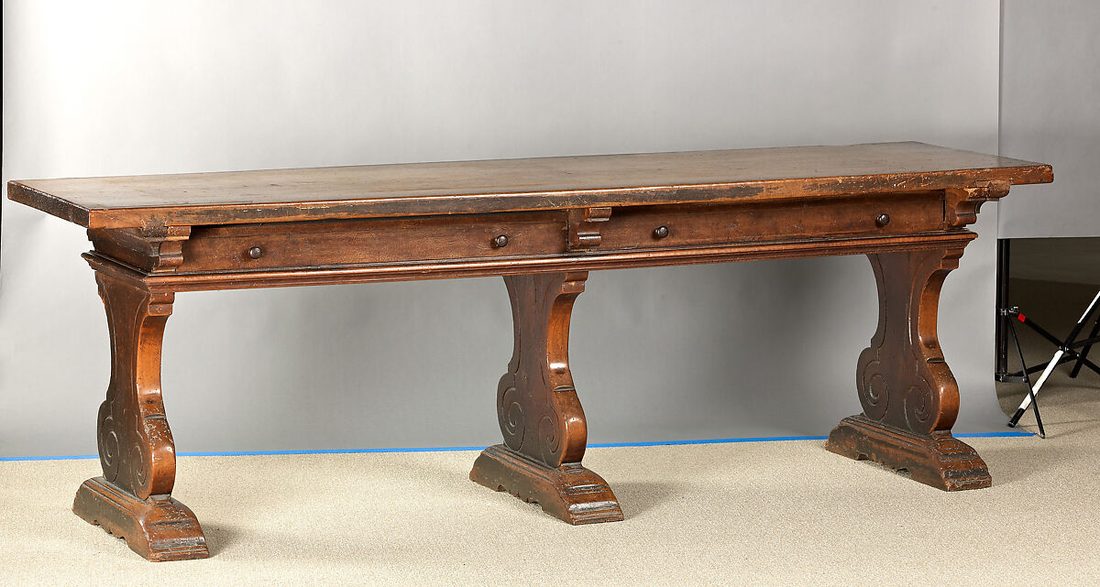
A long, narrow dining table of monastic origin: scrubbed, communal, unpretentious. The plain backbone of a room with nothing to prove.
Reproduction
A newly made object in the manner of an earlier style. Useful and sometimes beautiful, but without history, provenance or the depth of a period piece: used in old-world rooms knowingly, if at all.
Rococo
The light, curving, asymmetrical taste of the early-to-mid eighteenth century: shells, scrolls, gilt and grace. Intimacy and movement over grandeur.
S
Savonnerie
The French tradition of knotted-pile carpets of great richness, originally royal. A Savonnerie brings deep colour and formality to a floor.
Suzani
A Central Asian embroidered textile, boldly patterned in silk on cotton; colour and stitch that no machine reproduces, often used as a hanging or a cover.
T
Trumeau
A tall French overmantel or pier piece combining a mirror with a painted or carved panel above: a single object that furnishes a whole stretch of wall.
Tuscan
Properly, the restrained vernacular of central Italy (stone, scrubbed wood, terra-cotta, lime-washed walls) as distinct from the suburban "Tuscan" cliché. The refined version is what old-world taste claims.
V
Verdure tapestry
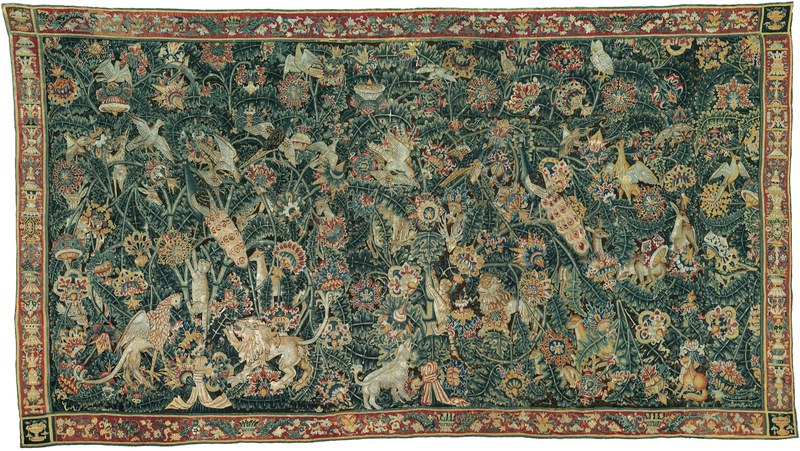
A woven hanging depicting dense foliage and landscape rather than figures; it softens a wall with age, colour and texture, and absorbs sound as readily as light.
W
Walnut
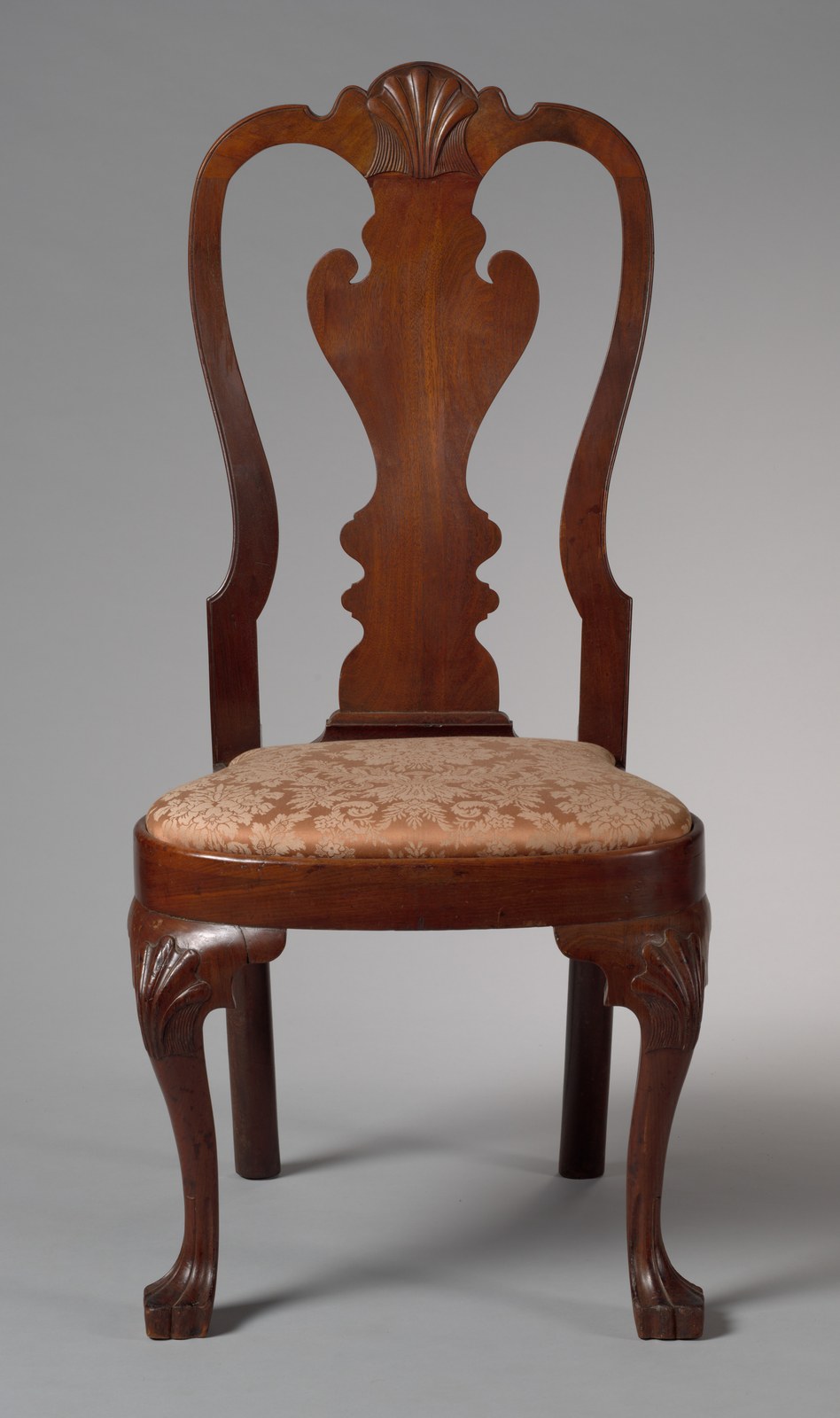
The warm, richly figured hardwood at the heart of much of the finest European furniture; it takes wax to a deep, soft glow and ages better than almost any other timber.
A few questions, answered
What is the difference between a fauteuil and a bergère?
Both are French antique armchairs, but the fauteuil has open arms and an exposed wood frame, which makes it lighter and more sociable, while the bergère has enclosed, padded sides and a loose seat cushion, built for solitary comfort. A fauteuil draws up to a table or into a conversation; a bergère is a chair to sink into. Both are among the most useful antique seat forms in a modern room.
What is the difference between Rococo and Neoclassical?
Rococo is the light, curving, asymmetrical taste of the early-to-mid eighteenth century: shells, scrolls and gilt, with intimacy and movement over grandeur, corresponding in France to the Louis XV style. Neoclassical is the reaction that followed in the late eighteenth century: a return to the order of antiquity, with straight lines, columns, urns and symmetry. The simplest tell is the line: Rococo curves, Neoclassical straightens.
What is the difference between patina and original surface?
Original surface is the finish an object has carried through its life: wax, paint or gilding never stripped and renewed. Patina is what that surface becomes with age and careful use: the soft sheen of waxed walnut, the mellowing of bronze, the gentle wear of gilding. Put plainly, the original surface is the thing, and the patina is what time has done to it. Both are easily destroyed by over-restoration, and neither comes back once lost.
What is the difference between an Aubusson and a Savonnerie carpet?
Both are French, but an Aubusson is flat-woven, in soft, faded colours, and brings pattern and age to a floor without weight or shine, while a Savonnerie is a knotted-pile carpet of great richness, originally royal, bringing deep colour and formality. An Aubusson is the quieter, lighter choice; a Savonnerie is the grand one.
What is the difference between a commode and a credenza?
A commode is a low chest of drawers, French in origin, often the most decorated case piece in a room and the classic anchor antique. A credenza is an Italian sideboard or low cupboard with panelled doors, descended from the Renaissance serving piece. Both are case furniture, but the commode holds drawers and the credenza holds cupboards, and the two carry distinct national characters.
What is the difference between Gustavian and Biedermeier?
Both are restrained, pale-toned early styles often reached for to lighten a room, but Gustavian is the Swedish neoclassical style of the late eighteenth century (chalky painted finishes, tapered legs and calm proportion) while Biedermeier is the Central European style of the early nineteenth century, built from pale, figured woods such as birch and fruitwood, often with ebonised detail. Gustavian tends to be painted; Biedermeier shows its wood.
A term missing, or a definition you would sharpen? The corrections page explains how to tell us.